Hey there. If you’re reading this, first off, take a deep breath. We know that if you’ve found your way to this page, things might feel a little heavy right now. Displacement: whether it’s from a fire, a flood, or a sudden financial crisis: is one of the most stressful things a family can go through. It’s not just about losing a roof over your head; it’s about the loss of your "safe space" and the routine that keeps your family grounded.
At Family ReBuild of New Jersey, we see you. We see the strength you’re showing just by looking for a way forward. Our mission is all about helping you rebuild with confidence and dignity, ensuring that no family in our South Jersey community has to walk this path alone.
When you’re in the middle of a crisis, it’s hard to see the big picture. Your brain is in survival mode, and that’s completely normal. However, survival mode can sometimes lead us to make decisions that make the long-term journey a bit harder. We’ve put together this guide to highlight seven common mistakes families make after displacement and, more importantly, how you can avoid them to get back on your feet faster.
1. Focusing Only on "Right Now" and Ignoring "Later"
When a disaster hits, the first thing you think about is: Where are we sleeping tonight? That is a vital question. But a common mistake is staying in that "immediate" mindset for too long.
Many families spend weeks or even months reacting to the crisis day-by-day without a long-term plan. Research shows that without a clear roadmap for moving forward, families risk losing the momentum they need for permanent stability. Rebuilding requires more than just hope; it requires concrete arrangements for your next steps.
The Fix: As soon as your immediate safety is secured, start a "Next Step" list. What does life look like three months from now? Six months? At Family ReBuild of New Jersey, we help you look past the current emergency to see the path toward a permanent home.

2. Trying to Carry the Whole Weight Alone
There’s a special kind of pride in our community. We want to be the rocks for our families. We want to show our kids that we’ve got it all under control. But displacement is too big for one person: or even one family: to handle solo.
A major mistake is not reaching out for help for displaced families early enough. Whether it’s out of embarrassment or just not knowing where to look, waiting too long to ask for support can lead to burnout and missed opportunities for funding or housing.
The Fix: Lean on us. There are disaster recovery resources NJ offers specifically to help you bridge the gap. We are here to provide that support system so you can focus on being there for your children while we help handle the logistics. You can learn more about who we are and how we stand by our neighbors.
3. Overlooking the Mental Health of the Whole Family
Trauma doesn't just affect the person signing the paperwork; it affects the whole family system. Sometimes, parents focus so much on the physical rebuilding: the house, the money, the furniture: that they overlook the emotional toll the displacement is taking on the kids.
Research suggests that interventions are most successful when they treat the family as a whole unit. Children who experience displacement often lose their sense of trust and safety. If their emotional needs aren't addressed, it can lead to long-term behavioral and school-related issues.
The Fix: Create "safe spaces" of conversation. Even if you are in a temporary shelter or a hotel, try to keep some family traditions alive. Maybe it’s a prayer before bed or a "rose and thorn" sharing session at dinner. Establishing a predictable environment is essential for healing.
4. Underestimating the "Hidden" Infrastructure Needs
When you think about moving back home or finding a new place, you think about the rent and the security deposit. But what about the rest of the neighborhood?
A mistake many families make is not checking if the surrounding infrastructure: like schools, health clinics, and transportation: is still functional or accessible from their new location. If you move into a place that is cheaper but is two hours away from your job or your kids' specialist, the "rebuild" might actually set you back.
The Fix: Before committing to a new housing situation, do a "life audit." Is there a grocery store nearby? Can the kids stay in the same school district? Our team at Family ReBuild of New Jersey can help you navigate these logistics so your move is sustainable.
5. Neglecting the Caregiver (That’s You!)
You cannot pour from an empty cup. It sounds like a cliché, but it’s the truth. We often see caregivers who are so focused on education, validation, and support for their kids that they completely neglect their own mental health.
If the caregiver is crumbling, the family’s rebuilding process slows down. You need to be at your best to make the tough decisions required for your family’s future.
The Fix: Give yourself grace. It is okay to feel overwhelmed. Seeking mental health support or simply taking 15 minutes a day for yourself isn't a luxury: it's a requirement for a successful recovery. We believe in rebuilding with dignity, and that includes the dignity of taking care of yourself.
6. Falling Into the "Commitment Trap"
In the chaos of displacement, emotions run high. Sometimes, we make promises to our kids that we can’t keep ("We’ll be back in our house by Christmas!") or we make threats in moments of frustration that undermine our authority.
Failing to establish and maintain consistent boundaries during a crisis can make children feel even more insecure. They need to know what to expect, even if the news isn't what they want to hear.
The Fix: Be honest but hopeful. It’s better to say, "We are working hard to find a home, and here is what we are doing today," than to give a date you aren't sure of. Consistency is the key to rebuilding trust within the family.
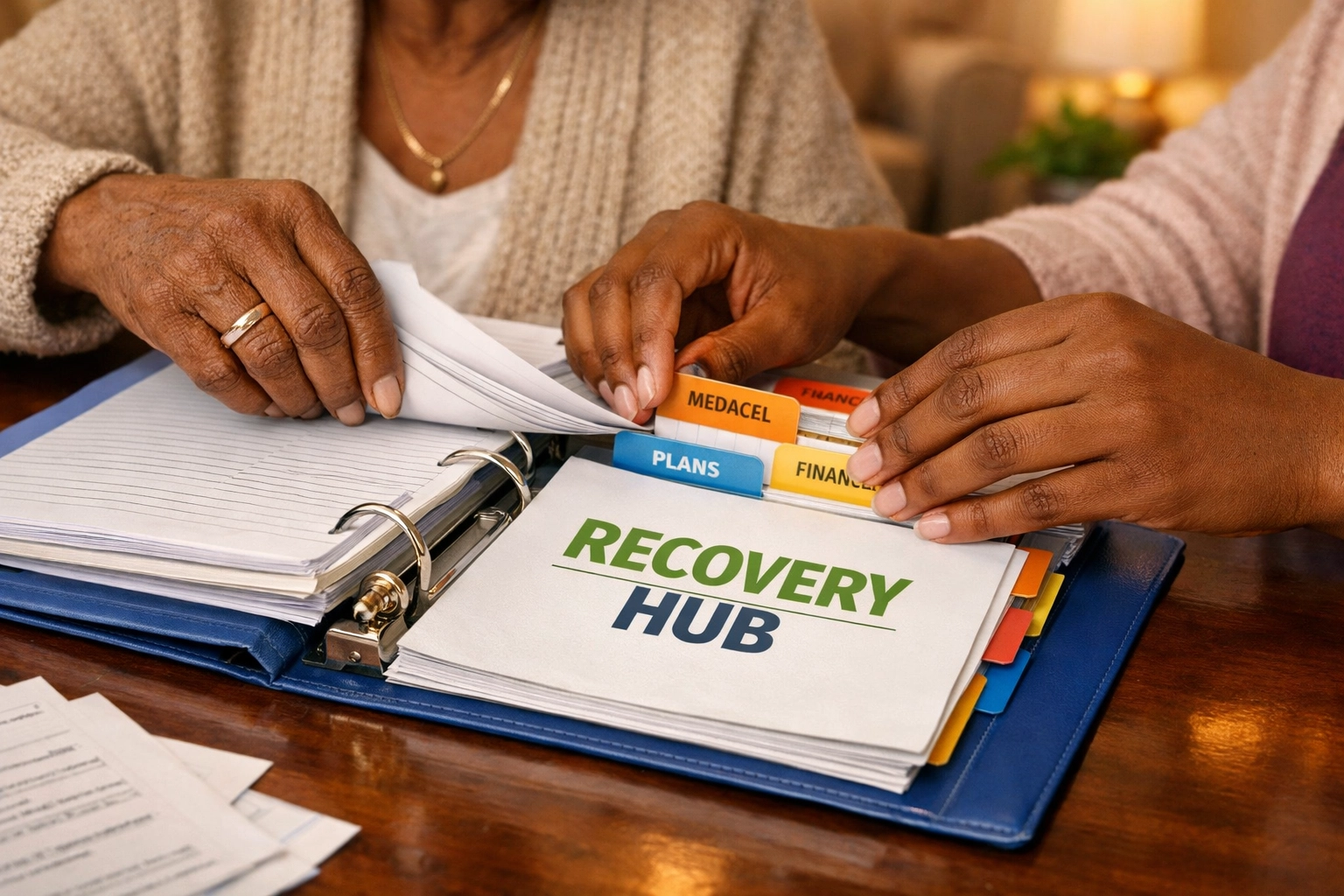
7. Not Having a Centralized "Recovery Hub"
When you are displaced, your paperwork ends up everywhere: in the car, in a backpack, or lost in an old email. A huge mistake is not having a centralized place for all your disaster recovery documents. This leads to missed deadlines for assistance and a lot of unnecessary stress.
The Fix: Get a "Grab-and-Go" binder. Keep copies of your IDs, insurance papers, birth certificates, and any correspondence from organizations like ours. Having everything in one place gives you a sense of control over a situation that feels out of control.
Rebuilding Faster: The Family ReBuild Way
We don't just want to see you "get by." We want to see you thrive. Rebuilding after a crisis is about more than just a new apartment; it’s about restoring your confidence as a provider and your dignity as a member of our South Jersey community.
Statistics show that families who engage with community-based non-profits like Family ReBuild of New Jersey find permanent housing 30% faster than those who try to navigate the system alone. We provide the bridge between the crisis and the solution.
How We Can Work Together:
- Emergency Assistance: We help navigate the immediate hurdles of displacement.
- Resource Mapping: We connect you with the specific disaster recovery resources NJ has available for your unique situation.
- Community Support: You aren't just a case number; you’re our neighbor. We host events like our Annual Day Party to celebrate our families and remind everyone that there is still joy to be found in the journey.
You’ve Got This, and We’ve Got You
Displacement is a chapter in your story, but it is not the ending. By avoiding these common mistakes and reaching out for the right help for displaced families, you can move through this season faster and come out stronger on the other side.
Every family deserves to live with hope and stability. If you’re ready to take the next step in your rebuilding journey, we invite you to get involved or reach out to our team. Whether you need help or you’re someone looking to "make a difference" by volunteering, there is a place for you here.
Let’s start rebuilding: together, with confidence, and with the dignity you deserve.

Want to stay updated on the latest news and resources? Check out our latest news page for more tips and stories of hope from families right here in our neighborhood. We’re in this with you!
